About the Catacombs
One of the most remarkable curiosities of “Southern Palmyra,” a poetic name for Odesa, is its catacombs. Yet few people realize that these underground labyrinths extend not only beneath the city itself but also for many kilometers beyond it. Of particular interest to visitors are the mines beneath the village of Nerubaiske.
The settlement originated in the era of the Zaporizhian Cossacks. According to local tradition, its name derives from a non-aggression agreement with the Ottoman Turks: the phrase meaning “do not strike” gradually evolved into the name Nerubaiske. It was the Cossacks who had laid down their arms who became the first settlers of a small hamlet that later expanded into a village. Stone extraction in the vicinity began in the late eighteenth century, and today the system of catacombs beneath the village extends for more than three hundred kilometers.
From Revolution to Underground Printing.
At various times, the catacombs of this area served different purposes. After the October Revolution of 1917, these quarries became part of the struggle between two opposing political systems: socialism and capitalism.
In late 1918, the governments of the Entente powers—an alliance that included the United Kingdom, France, and other Allied states—selected Odesa as one of their strategic bridgeheads for advancing into the interior of the country. One of the most prominent communist publications of that period was the newspaper The Communist. Initially printed in private presses, it was an extremely costly and dangerous undertaking, as the newspaper was illegal and both its publication and distribution were punishable by execution.
This dramatic period is vividly portrayed in the motion picture Dangerous Tours, directed by Fedir Sylchenko.
The Bolsheviks made numerous attempts to establish their own clandestine printing facility. In organizing the first attempt, assistance was provided by the mother of one of the leaflet distributors, Mykhailo Ivanchenko. The woman lived in an earthen dugout on the outskirts of the city. They attempted to equip a basement there and install a printing press, but groundwater flooded the premises and thwarted the plan.
Many similar efforts followed, yet only one proved successful: an underground printing house. The catacombs beneath Nerubaiske were chosen deliberately. In the event of discovery, the printers would have been able to defend themselves and make their resistance costly.
The mine had two entrances—one from a ravine overgrown with reeds, and another through the cellar of a local resident. Once all preparations were complete, the printing equipment was transported past a White Guard checkpoint in separate parts, disguised as spare components for a steam-powered agricultural engine known as a locomobile. The printing site itself was located more than eight hundred meters from the entrance, and the organizers had to carry heavy parts along narrow tunnels on their shoulders. Shifts at the facility lasted from twenty-four to thirty-six hours, depending on responsibilities and the situation above ground.
The Second World War and the Molodtsov–Badaev Partisan Unit
The Nerubaiske catacombs also played an important role during the Second World War. Within the labyrinth of galleries and passages, part of the Molodtsov–Badaev partisan unit was based. While the Fourth Romanian Army, supported by German forces, attacked Odesa, partisan bases were being established underground.
The Molodtsov detachment was stationed at a depth of twenty-five to thirty meters beneath Nerubaiske. Facilities included headquarters, food stores sufficient for approximately six months, and an arsenal consisting of seven machine guns, sixty rifles, two hundred grenades, up to one metric ton of trinitrotoluene (a high explosive commonly abbreviated as TNT), and radio equipment for communication with Moscow.
When enemy troops entered Odesa on 16 October 1941, the partisans began reconnaissance and sabotage operations. The unit was divided into underground and surface groups, with Molodtsov’s command post located in the catacombs. Communication between the underground fighters was maintained by a so-called “youth ten,” a surface group composed of sixteen- and seventeen-year-old adolescents led by Iakiv Hordiienko.
The partisans conducted active intelligence and sabotage missions and even succeeded in demolishing a railway line, causing the derailment of two military trains. The Romanian forces were unable to eliminate the underground detachments, as the catacombs are vast and contain numerous exits.
However, in January 1942, Romanian counterintelligence managed to recruit Petro Boichenko, commander of the surface group. As a result, on 9 February, Volodymyr Molodtsov, Tamara Mizhihurska, Yakiv Hordiienko, and two other underground members were arrested at a safe house connected with him. One of those detained managed to send a message to relatives, writing in blood on the edge of a handkerchief: “Boichenko betrayed us.” In this way, the remaining partisans learned the name of the informer.
Molodtsov was executed by order of a Romanian court on 3 July 1942. By 1944, only twelve members of the legendary unit remained alive.
Research, Legends, and Modern Exploration
Systematic exploration and mapping of the Nerubaiske catacombs began in 1998. During the preparation of detailed maps, numerous remarkable locations and artifacts were discovered. Often, objects found or unusual incidents gave names to specific quarry districts.
One section of the mine is known as “Liubka’s Passage.” This place has a tragic history. In the 1950s, a young woman named Liubov descended into the catacombs and narrowly avoided a collapse. Falling stones blocked her only familiar exit. Attempting to find an alternative route, she became hopelessly lost and never found her way out. Her remains lay in the catacombs for ten long years before being discovered and reburied. The district was named in memory of this tragedy.
The walls of the endless corridors are covered with inscriptions, markings, drawings, and numbers from different periods. Historic miners’ sketches and calculations stand alongside modern signs and images. Many drawings illustrate underground urban legends and stories. Among them are depictions of mysterious “catacomb dwellers,” as well as figures known as the White Lady and the Green Girl—both characters of local folklore. Ships, treasures, caricatures, and friendly portraits are also frequently depicted. All of these elements form an integral part of the catacombs’ cultural heritage.
Visitors can learn about these events and legends—and much more—by exploring the labyrinth with experienced guides, who gladly lead guests along the most fascinating routes and share countless stories. There is nothing more compelling than taking a flashlight in hand and descending personally into this hidden underground world, enjoying a walk through winding passages, the warm glow of candlelight, and the mysteriously resonant silence.
Museum of Partisan Glory
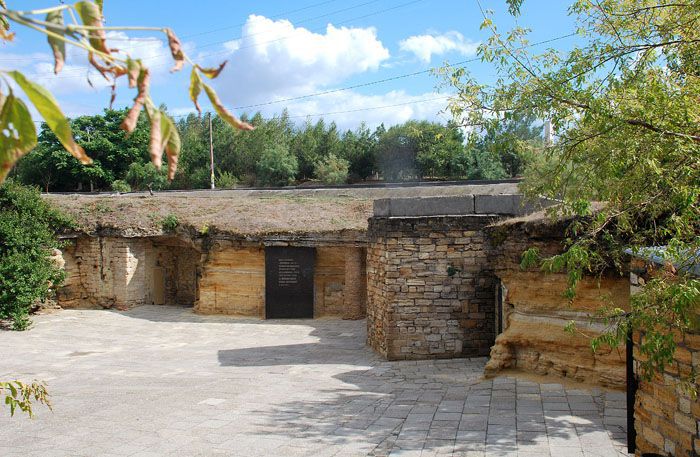
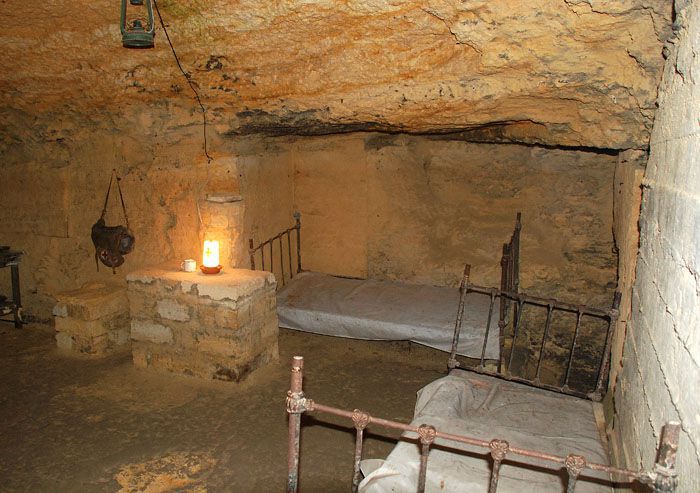
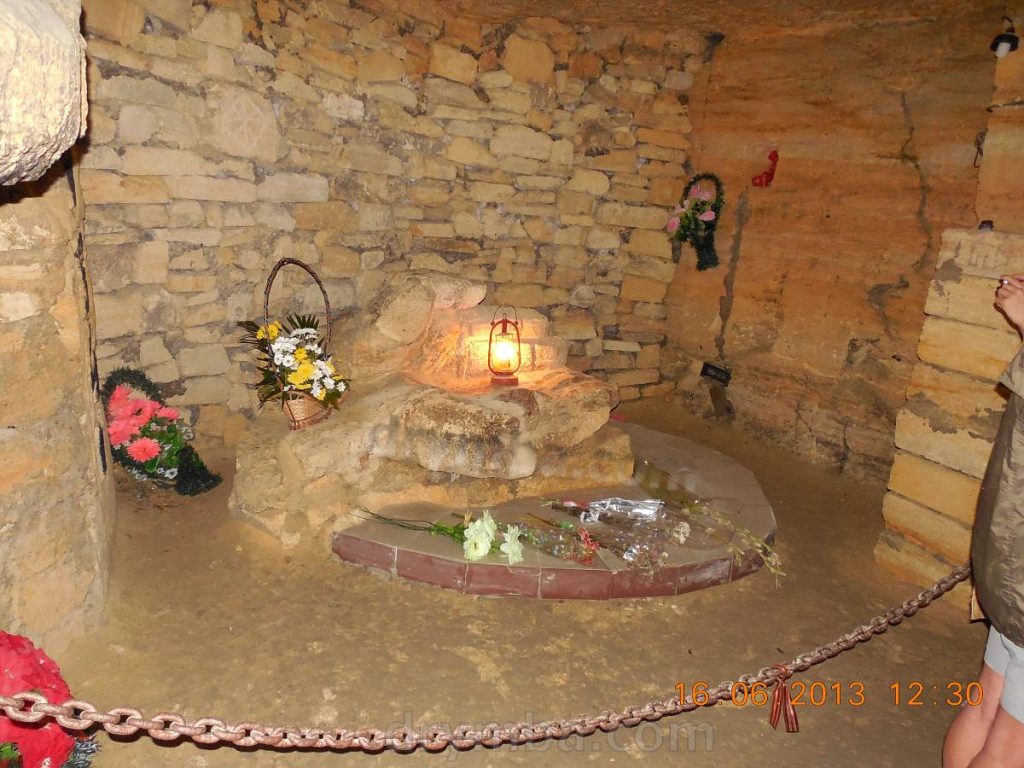
The Museum of Partisan Glory in the village of Nerubaiske is a unique memorial complex that allows visitors to connect directly with the heroic past of the Odesa Region. It is one of the very few underground museums in the world, located at a depth of approximately twelve to fourteen meters within the extensive labyrinth of the Odesa catacombs.
The museum was opened in 1969 on the very site where, during the World War II, one of the most renowned partisan units was based — the detachment commanded by Volodymyr Molodtsov-Badaiev. The catacombs, formed as a result of the extraction of coquina limestone, became a secure refuge for hundreds of people who resisted the occupying forces under extraordinarily harsh conditions of absolute darkness and constant dampness.
The museum complex consists of two sections: an above-ground exhibition and an underground section.
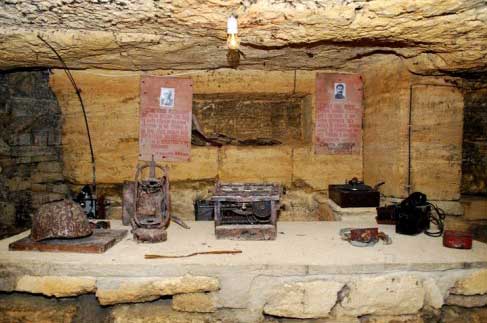
The above-ground exhibition features archival documents, photographs, samples of weaponry, and the personal belongings of the fighters. Visitors can learn about the formation of the partisan movement in the region and about the strategic importance of the catacombs.
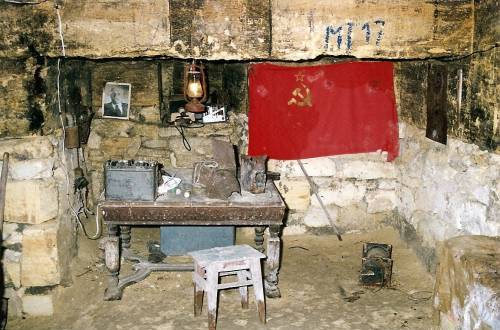
The underground section is the heart of the museum. Here, the authentic daily life of a partisan camp has been carefully reconstructed. Visitors can see:
The headquarters and communications center, where decisions of historic consequence were made.
Living quarters and a field hospital, where the wounded were treated within cold stone walls.
A school and a “Lenin Room,” reflecting efforts to preserve a sense of normal life even beneath the ground.
Workshops and weapons depots, where sabotage operations were prepared.
A particularly powerful atmosphere is created by drawings on the walls made by the partisans with charcoal, as well as by original household items preserved from that period.
Excursion to the “Wild” Catacombs beneath the Village of Nerubaiske
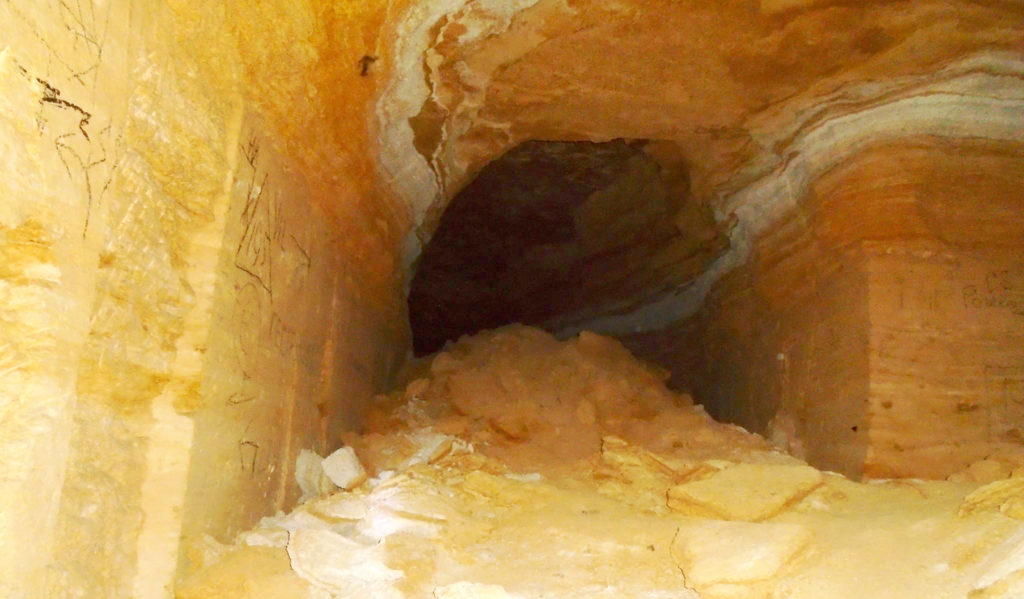
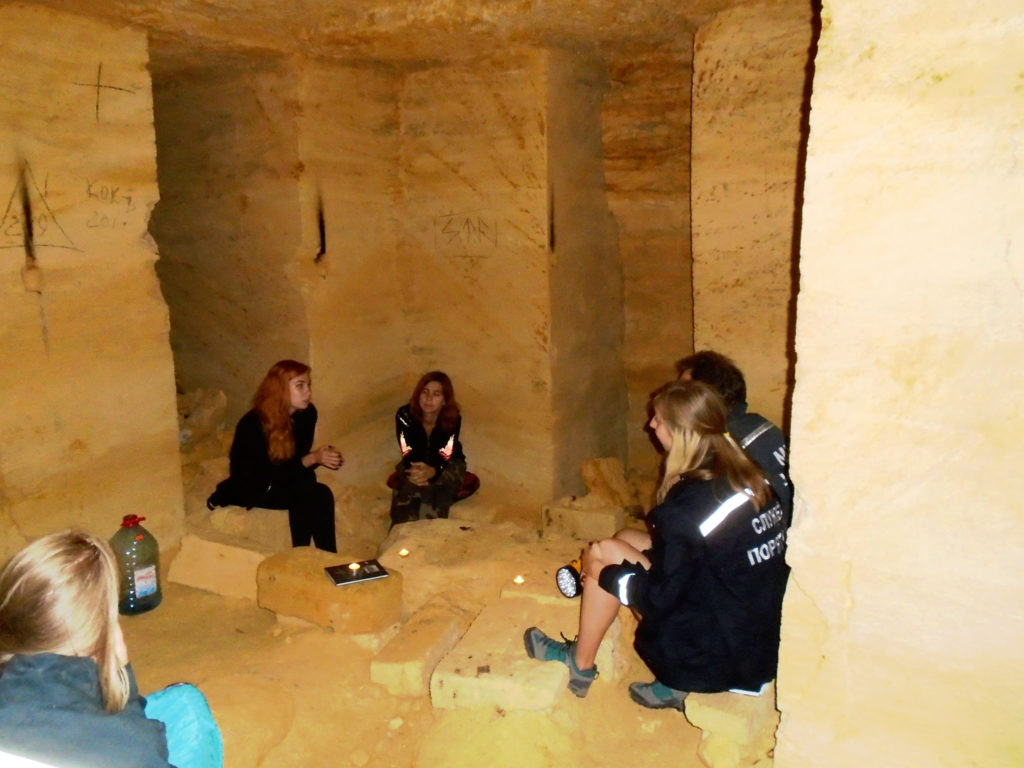
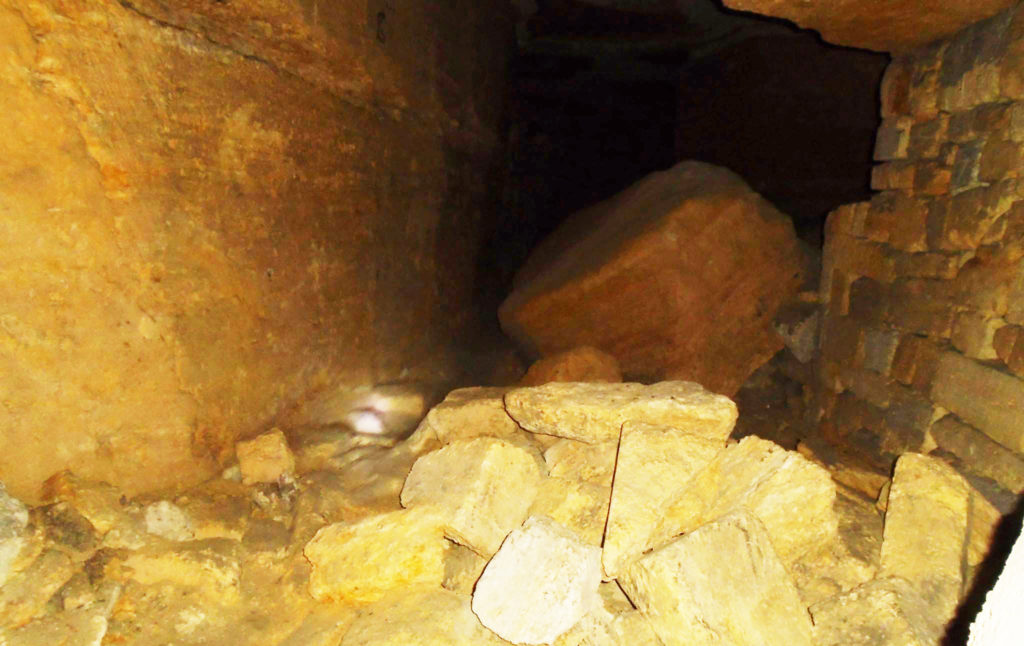
The underground world of Odesa is vast and remarkably diverse. We offer adventurous tours into the “wild” catacombs — preserved in their original, untouched state. Here you will see how the famous Odesa coquina limestone was actually quarried, touch the authentic underground history of the city, and spend a moment alone with profound silence. Through the voices of our guides, the catacombs will seem to whisper simple yet vivid urban stories about smugglers and honest townspeople whose hands built this city, renowned throughout the world.
The routes vary in difficulty, making the experience engaging both for seasoned underground explorers and for those discovering the subterranean world of Odesa for the first time. Under the supervision of experienced specialists, you will have the opportunity to try underground navigation using catacomb maps and wall markings. All guides have completed specialized training and possess extensive practical experience in conducting these tours.
Important Information!
Excursions in the catacombs are strictly prohibited for individuals who suffer from claustrophobia or nyctophobia, which is the fear of darkness. Access points and stairways leading into the catacombs are not adapted for persons with disabilities. Entry into the catacombs while under the influence of alcohol is strictly forbidden.
Age restrictions: Children from seven years of age may participate. Children under seven years old are not permitted to enter the catacombs. Visitors between seven and fifteen years of age must be accompanied by a parent or, in the case of a group visit, by authorized adults at a ratio of one adult for every five to seven children, depending on the children’s age.
Reminder: Please bring warm clothing, even during the summer season, as the temperature inside the quarries remains constant at fourteen degrees Celsius. Comfortable walking shoes are also required. During the excursion, participants are provided with disposable protective shoe covers, disposable caps to be worn under helmets, safety helmets, and individual flashlights.
Please note that during the period of martial law in Ukraine, excursions to the “wild” catacombs beneath the village of Nerubaiske are temporarily suspended.
Meeting Point:
Starosinna Square, 1A, inside the Starosinna Bus Station building.